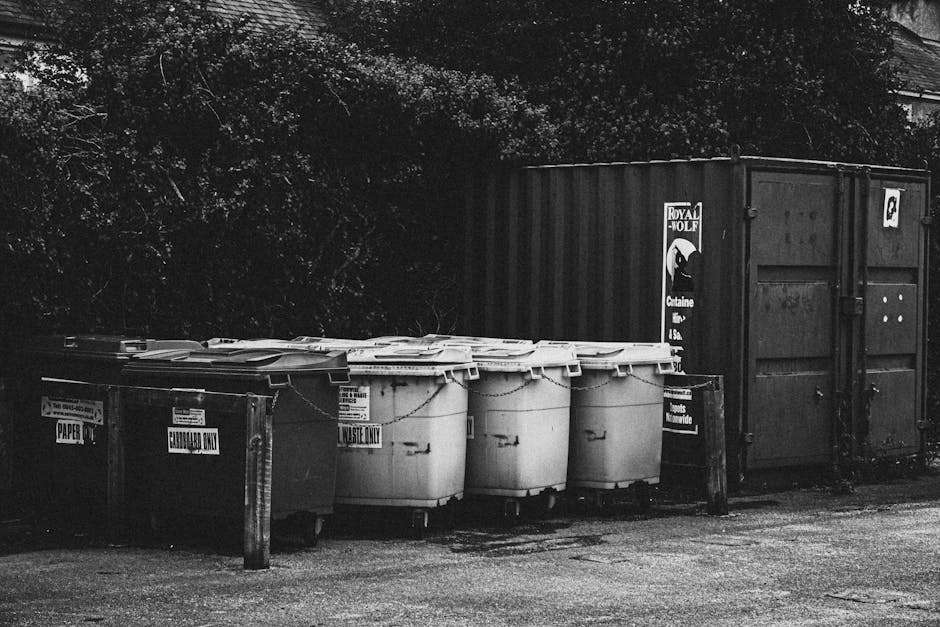
Creekmouth movers: local waste disposal and recycling rules
Posted on 31/07/2026
If you are planning a move in Creekmouth, waste can become the hidden headache nobody warned you about. Old furniture, broken packaging, electrical items, leftover paint, and a few mystery bags from the loft can turn a tidy move into a last-minute scramble. That is exactly why Creekmouth movers: local waste disposal and recycling rules matter. They help you avoid delays, keep the move organised, and handle unwanted items in a way that is both practical and responsible.
Truth be told, most moving stress is not about the boxes. It is about the bits you forgot to sort out early enough. A bit of planning goes a long way, and yes, it can save you from that horrible moment when the van is waiting outside and you are still deciding what to do with a chipped wardrobe or an old freezer.
This guide breaks the process down in plain English: what the rules mean, how movers usually handle waste, what to separate before moving day, and where people often go wrong. You will also find a checklist, a comparison table, and a few useful pointers to keep your move smooth, legal, and less wasteful.
Why Creekmouth movers: local waste disposal and recycling rules matters
Moving house or office produces more waste than most people expect. It is not just rubbish in the ordinary sense. It is often a mix of recyclable materials, reusable items, bulky waste, and a few items that need careful handling. When people ignore this, they usually end up paying more, wasting time, or leaving the final clean-up to the last minute.
Creekmouth has the same broad UK moving challenges as many London areas: restricted parking, tighter access, busy streets, and limited time windows for loading. Add waste on top of that, and it becomes very easy to create a bottleneck. A mover who understands waste disposal and recycling rules can keep the move flowing, which is especially useful if you are dealing with flats, shared entrances, or a tight same-day schedule.
There is also a trust element. Responsible handling of waste signals that the move is being managed properly. That matters if you are a tenant trying to leave a property in decent condition, a landlord preparing a re-let, or a business clearing an office without making a mess of the corridor. Nobody wants to be the person who leaves a pile of cardboard at the kerb and hopes it magically disappears. It usually does not.
In practice, these rules matter because they influence:
- what can be taken in the van
- what should be recycled separately
- what must not be mixed with general rubbish
- how quickly the property can be handed over
- how much waste may be charged as an extra service
That is also why many people combine move planning with decluttering. If you have not already sorted your belongings, strategic decluttering before the move can make a surprisingly big difference. Less clutter means less waste, and less waste means fewer decisions under pressure. Simple, but very effective.
How Creekmouth movers: local waste disposal and recycling rules works
Most moving teams work from a straightforward idea: separate the items that can be reused, recycled, donated, sold, or disposed of safely. The exact process depends on the type of move, the volume of waste, and what the customer has already sorted. In a good setup, the mover does not just arrive and shove everything into one pile. They help you create order out of the chaos.
Typically, the process starts before the van turns up. A mover or client will identify bulky items, reusable furniture, cardboard, soft plastics, and anything potentially hazardous. For example, old batteries, sharp objects, paint tins, and similar materials need extra care. Electrical items are another one to watch. A fridge, microwave, or TV is not just "old stuff"; it is waste that often needs a specific disposal route.
Once sorted, the items are loaded or set aside according to the agreed plan. Some movers only transport goods and leave disposal decisions to the client. Others will help with removal of unwanted items if that service has been arranged. The main thing is clarity. You want to know whether the team is moving your belongings, taking waste away, or doing a bit of both. Mixed expectations cause most of the confusion.
A practical example: if you are moving from a flat and have three bags of broken household items, a dismantled bed frame, old boxes, and a working sofa you want to keep, a sensible mover will help you distinguish between the items to retain and the items to remove responsibly. That kind of sorting can save a lot of awkwardness on moving day. And a lot of stairs, if we are honest.
For larger items, especially bulky furniture, it helps to understand the moving route in advance. Local access issues, staircases, and parking restrictions can affect how waste is carried out. If your property has awkward access, it is worth reading about flat access issues in Creekmouth because timing and movement paths can shape how quickly waste leaves the building.
For jobs with a lot of heavy lifting, movers may plan the route carefully to reduce risk and avoid unnecessary trips. That is where practical handling matters. A useful background read is kinetic lifting and safer body mechanics, which reflects the sort of careful approach a professional team should bring to bulky waste and furniture removal.
Key benefits and practical advantages
Good waste sorting during a move is not just about being tidy. It creates real benefits that show up immediately, both during the move and after.
- Less moving-day stress: You are not improvising disposal decisions at the last minute.
- Cleaner handover: Properties are easier to leave in good condition, especially rentals.
- Better recycling outcomes: Cardboard, metals, and certain plastics are easier to separate before they get contaminated.
- Lower risk of damage: Fewer loose items mean less clutter around the walkways.
- Clearer costs: Waste handling is easier to price when it is discussed in advance.
Another benefit is speed. A move with sorted waste tends to move faster because there is no pause while everyone wonders whether a cracked shelf belongs in the van or in the disposal pile. Those pauses add up. A few minutes here, a few minutes there, and suddenly the whole day runs long.
There is also a sustainability angle. To be fair, not every item can be reused, but many can. Good movers know when to recommend recycling, when to suggest reuse, and when an item really is at the end of the road. If you care about reducing landfill waste, it helps to work with a team that understands recycling and sustainability practices in a moving context.
One more practical point: if your home move includes awkward or bulky pieces, such as wardrobes, sofas, mattresses, or a freezer, it is worth planning around them early. That sort of planning is not glamorous, I know. But it pays off. If you need guidance on specific items, resources like bed and mattress relocation and storing a freezer correctly can help you think through the practical side before moving day.
Who this is for and when it makes sense
This topic is useful for almost anyone moving in Creekmouth, but some groups benefit more than others.
Homeowners and tenants
If you are leaving a house, flat, or shared property, waste decisions often affect your deposit, your handover deadline, and your stress levels. Old furniture, broken fittings, and packaging need to be sorted quickly and sensibly.
Students
Student moves tend to be compact but messy. You may have a lot of small items, food waste, broken household bits, or cheap furniture that was never designed for a long life. In that case, student removals in Creekmouth can be useful because the move may need to balance speed, affordability, and disposal of low-value items.
Families
Families usually have more volume: old toys, boxes, furniture, kitchenware, and the odd item nobody wants to claim. Waste builds up fast when you are moving children's rooms, sheds, or lofts. That is where advance sorting really helps.
Businesses and offices
Office relocations create different waste streams: printers, packaging, office chairs, filing items, and old equipment. If your team is shifting workspaces, office removals in Creekmouth are usually best planned with disposal and recycling in mind from the start.
Anyone on a tight schedule
If you are moving quickly, have access limits, or need a same-day response, waste planning is even more important. A cluttered flat plus a short time window is not a pleasant combination. In those situations, urgent same-day removals in Creekmouth become much easier when disposal choices are settled early.
Step-by-step guidance
If you want a clean, practical process, follow these steps.
- Walk through the property room by room. Note everything you no longer want to keep.
- Split items into categories. Keep, donate, recycle, dispose, and unsure.
- Separate hazardous or sensitive items. Batteries, paint, sharp tools, and electricals should not be mixed casually with general waste.
- Break down furniture where sensible. Flat-pack items and dismantled pieces are usually easier to move and sort.
- Bundle cardboard and packaging. Clean cardboard is much easier to manage than crushed, greasy, or mixed materials.
- Label everything clearly. It sounds basic, but on a busy morning it saves arguments.
- Confirm what the movers are handling. Make sure they know whether they are transporting waste, only moving belongings, or doing both.
- Check access and timing. Lifts, stairs, parking, and loading windows all affect waste removal.
- Keep documents and valuables separate. Disposal areas should never become the dumping ground for essentials.
- Do a final sweep before departure. Look in cupboards, sheds, under beds, and behind doors. You will be surprised. Nearly everyone finds one extra thing.
If you want to make the whole movement phase smoother as well, it is worth reviewing strategic packing tips. Proper packing and proper waste sorting go together. One supports the other.
For heavier items, using a proper lifting approach matters just as much. A quick refresher from heavy lifting advice for solo moves can help you avoid a bad back and a very bad mood before lunch.
Expert tips for better results
These are the small things that usually make the biggest difference.
- Start sorting two to three weeks before the move if possible. Last-minute sorting is where mistakes creep in.
- Keep one "waste station" in the property for cardboard, soft recycling, and items awaiting decision.
- Ask whether the mover can advise on bulky item handling. Not every team offers disposal, but many can point you in the right direction.
- Photograph large items before disposal discussions. It helps if you need to describe condition, access, or load size.
- Check weather and access on the day. Rainy pavements, bin-store access, or shared entrances can slow everything down.
- Keep a clean path to the door. It sounds obvious. It also gets ignored constantly.
A practical little habit: keep a marker pen near the packing area and label waste boxes as you go. One marker. One box. Less confusion. It is not rocket science, but I have watched people lose twenty minutes because "the box by the radiator" could mean four different things.
If your move involves furniture you may want to keep later, storage can help you avoid hasty disposal. For example, a sofa or spare set of furniture may not need to be thrown out if it can be held safely for a bit. You can read more about sofa storage tips from experts and how to preserve items properly while you make a final decision.
And if your move is the kind where every minute counts, good timing is everything. A bit of structure up front can stop a lot of frantic back-and-forth later.

Common mistakes to avoid
There are a few repeat offenders here. You may recognise one or two.
- Leaving waste sorting until moving day. That is the fastest way to create stress.
- Mixing recyclables with general rubbish. Once mixed, material is harder to recover properly.
- Assuming all movers handle waste the same way. They do not. Always confirm.
- Forgetting about electricals and appliances. A kettle and a fridge are not disposed of in the same way.
- Ignoring access restrictions. If the route is blocked, waste handling slows down.
- Not checking item condition before disposal. Some items are better donated, sold, or stored.
- Overfilling bags and boxes. Too heavy, too awkward, and frankly a back injury waiting to happen.
One thing that often gets missed is the emotional side of decluttering. People hold on to items because they might be useful later, or because they feel wasteful throwing them away. That is normal. Still, the move is a good time to be decisive. If you need help making those decisions, pre-move cleaning guidance and stress-free moving tips can help create a clearer mindset.
Honestly, the biggest mistake is thinking waste can be sorted "later". Later tends to arrive with a van parked outside and no spare time left. Not ideal.
Tools, resources and recommendations
You do not need fancy tools, but a few practical items make the job easier.
- Marker pens and labels: Ideal for separating keep, recycle, donate, and dispose piles.
- Strong bags and boxes: Use different containers for cardboard, soft recycling, and general waste.
- Basic dismantling tools: Screwdrivers and Allen keys help reduce bulky waste volume.
- Blankets or wraps: Useful if an item is being stored temporarily rather than binned.
- A phone camera: Handy for documenting item condition or load contents.
As for recommendations, choose a mover who explains things clearly. If a team can tell you what they can move, what they can safely handle, and what needs separate treatment, that is a very good sign. Clear communication matters more than polished sales talk.
If you are comparing moving options, it can also help to understand the wider service picture. Pages like services overview, man with a van Creekmouth, and removal services in Creekmouth can give you a sense of how different jobs are typically structured.
For people comparing pricing, the key is to check exactly what is included. Waste handling can be bundled, estimated separately, or left out entirely. If that sounds a bit dry, it is. Still worth checking. A quick look at packing and boxes in Creekmouth can also help you estimate how much material you will actually need to move or recycle.
Law, compliance, standards, or best practice
For waste and recycling, the safest way to think about compliance is simple: do not assume everything can be dumped together. In the UK, households and movers are expected to handle waste responsibly, and businesses have additional duties around controlled waste and duty of care. Exact obligations vary by item type and setting, so if a move involves commercial waste, electrical items, or anything potentially hazardous, the rules should be checked carefully.
Best practice is to follow a few common principles:
- Separate waste streams where possible. Cardboard, green waste, electricals, and general rubbish should not be treated the same.
- Avoid fly-tipping or unofficial dumping. It creates legal and environmental risks.
- Use licensed or legitimate disposal routes. If a mover offers waste removal, they should be clear about how it is handled.
- Keep records where appropriate. This is especially important for business moves and larger clearances.
- Ask about hazardous items before loading. It prevents issues later.
For moving companies, a solid health-and-safety approach should sit alongside waste planning. That includes safe lifting, clear walkways, sensible handling of bulky items, and proper protection for the property. If you want to see how a company frames that, the health and safety policy and insurance and safety information are useful places to understand the general standard expected.
There is also a practical trust point here. A mover that is careful about waste is usually careful in other areas too: access, timing, item protection, and customer communication. Those things tend to travel together.
Options, methods, or comparison table
There is more than one way to deal with waste during a move. The right option depends on volume, item type, and how much time you have.
| Method | Best for | Pros | Watch-outs |
|---|---|---|---|
| Self-sorting before moving day | Smaller household moves, tenants, careful planners | Cheap, controlled, easy to label and separate | Takes time and discipline |
| Movers handling waste as part of the job | Busy moves, bulky item clear-outs, last-minute jobs | Convenient, faster, fewer handoffs | Needs clear agreement on what is included |
| Temporary storage first | Items you are unsure about, reusable furniture, seasonal appliances | Buys time, avoids rushed disposal | Costs more and requires later decision-making |
| Full declutter and dispose | Major downsizing or office clear-outs | Reduces load size and moving time | Can be emotionally and logistically demanding |
For many people, the best answer is a hybrid: sort what you can in advance, store what is uncertain, and let the mover focus on transport and safe handling. That approach keeps you in control without making the day feel like a military operation. Which, let's face it, is not the vibe most people want for a Wednesday morning move.
Case study or real-world example
Imagine a Creekmouth flat move with two bedrooms, a small kitchen, and a hallway that is already tight before you add boxes. The household has an old chest of drawers, several cardboard towers, a broken desk chair, a working microwave, and a stack of mixed items from the airing cupboard. Nothing dramatic. Just enough to slow things down if nobody plans ahead.
In a sensible version of this move, the occupants sort items a week before the van arrives. The chest of drawers is measured and checked for reuse or disposal. The desk chair is separated because it is no longer worth keeping. Cardboard is flattened and grouped. The microwave is identified as an electrical item, not just "old kitchen clutter". The airing cupboard contents are divided into keep, donate, and discard.
On the moving day, the team has a clearer load. The route to the door is open, the waste is already separated, and there is no debate about what goes where. The result is not perfect, but it is calm. The move feels manageable instead of frantic. That is the real goal.
If there had been a bulky sofa to move or store, the planning would have been slightly different. In that case, it would make sense to check how to preserve a sofa in storage before deciding whether to keep it, recycle it, or move it on. And if the home had difficult stairs or awkward access, parking and access tips for Creek riverside moves would be worth a look before loading begins.
The main lesson? When waste is sorted before the van turns up, the move feels ten times more organised. Maybe not literally. But close enough.
Practical checklist
Use this checklist as a quick moving-week guide.
- Sort belongings into keep, donate, recycle, dispose, and unsure.
- Flatten cardboard and bag soft recycling separately.
- Identify electrical items, batteries, paint, and other special waste.
- Measure bulky furniture and check whether it is worth moving.
- Confirm with the movers what waste handling is included.
- Keep access routes clear from the property to the van.
- Label boxes and bags clearly.
- Set aside valuables and documents before sorting waste.
- Arrange storage for items you are not ready to part with.
- Do one final sweep of cupboards, loft spaces, and under furniture.
- Check whether the move includes any same-day time pressure.
- Review safety and insurance details if large or heavy items are involved.
This is where a calm, structured move beats a rushed one every time. A few small decisions made early can save a lot of sweat later.
Get a free quote today and see how much you can save.
Conclusion
Creekmouth movers: local waste disposal and recycling rules are not just a side issue. They are part of a well-run move. When you understand what should be kept, recycled, stored, or removed, the whole process becomes cleaner, quicker, and easier to control.
The best moves are rarely the ones with the fanciest equipment. They are the ones where everyone knows what is happening, where waste is sorted before it becomes a problem, and where the team works with proper care from start to finish. That is what good planning looks like in the real world.
So if you are preparing for a move in Creekmouth, start with the waste. It sounds boring, I know. But it is one of the smartest things you can do, and the rest of the job will thank you for it.
Take it one room at a time, keep the route clear, and do not leave the awkward decisions for moving morning. You will feel the difference, even in the small moments, like opening a cupboard and finding it already sorted.