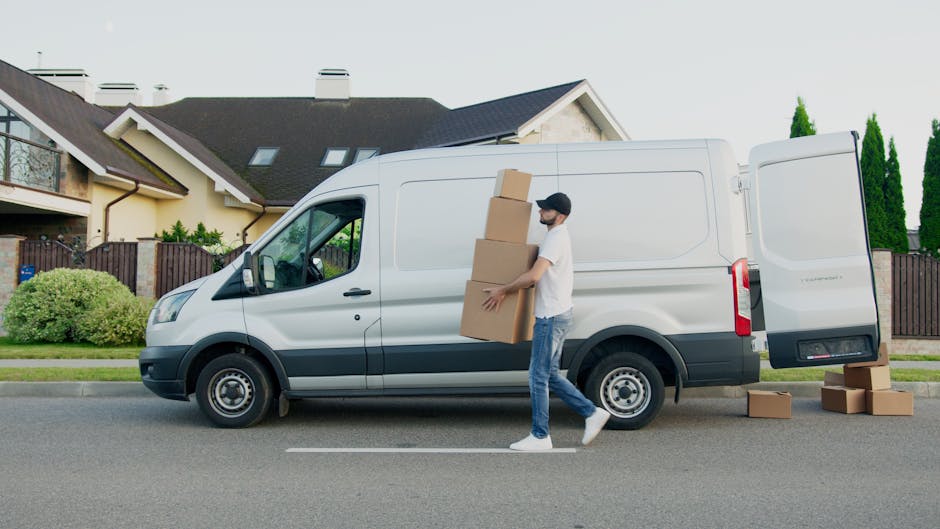
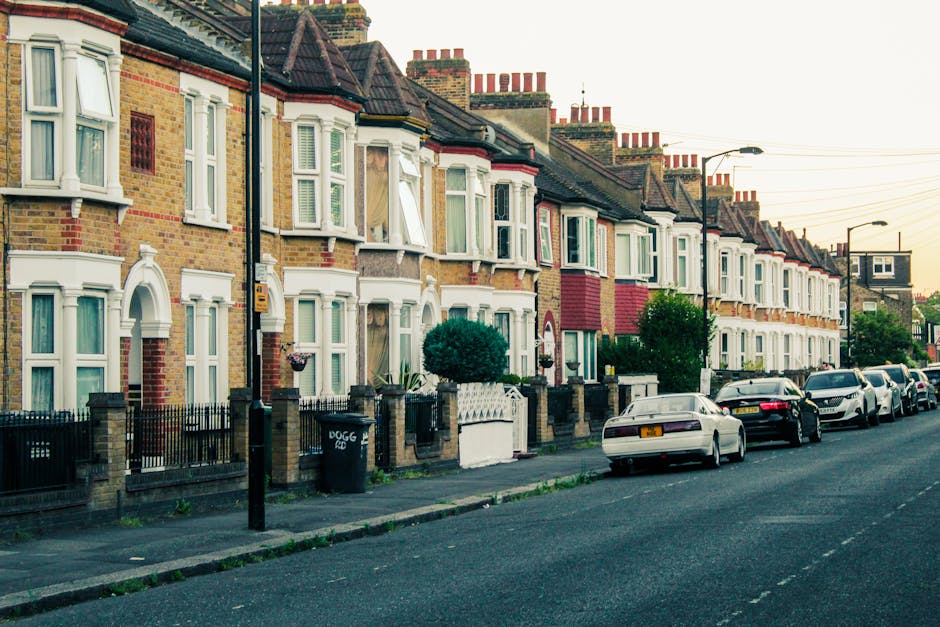
Man with van in Creekmouth

Our man with van in Creekmouth service is set up for straightforward local moves, single-item transport and practical help when you need a smaller, more flexible removal option. It suits people moving flats, students shifting between addresses, households transporting a few bulky items and businesses that want uncomplicated transport without booking a full-scale lorry. The focus is on careful loading, sensible routing and secure handling, so your belongings travel in an organised way.
The service can cover furniture pick-ups, home moves, office items and mixed loads that benefit from one vehicle and direct handling. Rather than overcomplicate the job, we match the van size and loading approach to the items involved. That keeps the process clear for customers who want a practical move in Creekmouth and do not need a larger removals setup. If you are comparing options, it helps to think about the volume, access and whether the load includes awkward or fragile pieces.
To request a quotation, it is useful to note what needs moving, where it is going and whether there are stairs, narrow hallways or any time-sensitive access points. A short description is often enough to start the conversation, and if you already know there are sofas, beds, appliances or boxed stock involved, that information helps shape the plan. You can ask for a quote once you have the basics ready.
Practical moving help for homes and flats
House moves handled with a van are usually best when the load is modest but still needs proper organisation. That can include boxes, furniture, appliances, wardrobes, desks and the kind of mixed household contents that are easier to move together than separately. Our approach keeps the move compact and direct, with the emphasis on getting items collected, loaded and delivered in a steady sequence rather than creating unnecessary disruption.
If you are moving from a flat, a shared property or a smaller house, the work may involve navigating stairs, waiting for access, or positioning the vehicle for the most efficient carry distance. These details matter because they affect timing and handling. For some customers, a man and van arrangement is also useful for partial moves, such as taking only selected rooms or moving part of a household ahead of a later date. Home moves are often easier to plan when the items are grouped clearly before collection.
- Boxed belongings and smaller household items
- Bedrooms, living-room furniture and flat-pack pieces
- Kitchen equipment and everyday appliances
- Partial moves where only some rooms are being transported
Commercial transport and office moves

Business customers often need a transport service that handles desks, chairs, filing, boxed stock and display materials without adding unnecessary complexity. A van-based move can be a sensible choice for offices, small studios, workshops and retailers that need items collected and delivered with care. It is especially useful where the job is defined more by the contents than by the scale of a large commercial relocation. Commercial moves are usually most effective when the load list is concise and the access details are clear.
Office transport can involve sensitive equipment, mixed IT items or furniture that needs to be kept together in the correct order. We can help with a practical loading plan so items are arranged in a way that reduces movement in transit. Where appropriate, boxed documents and smaller equipment can be grouped separately from heavier furniture. For customers who need a straightforward business move in Creekmouth, that combination of order and flexibility is often the main advantage.
If you are planning around opening hours, deliveries or shared premises, it helps to think about collection windows and any building rules that affect access. Clear access notes, floor levels and loading arrangements make it easier to shape the vehicle choice and the work sequence. A simple enquiry with those details can save time later and make pricing more accurate. If you already know the office items are a mix of furniture and packaged stock, include that in your request.
Furniture pick-up and single-item transport
Some customers only need one or two pieces moved, and that is where a van service can be particularly useful. Furniture pick-up work often covers sofas, beds, cabinets, tables, wardrobes and similar items that are awkward to move in a car. It can also suit marketplace purchases, replacement items from shops or family handovers where the main task is safe collection and delivery rather than a full removals schedule. Furniture pick-up is a practical option when the items are bulky but the journey is simple.
Single-item transport still needs the same care as a larger load. Heavy pieces may require more than one person to move safely, and awkward shapes need attention to corners, door frames and lift access. If an item has detachable parts, it often helps to keep fittings, screws or small accessories grouped together so nothing is misplaced during transit. Good preparation is less about making the job complicated and more about reducing avoidable handling on the day.
When requesting help with a single item, it is worth stating the dimensions if you have them, along with whether the item is boxed, assembled or needs dismantling before movement. That information does not need to be long, but it does help identify whether the item fits comfortably in the van and how the lift-and-carry stage should be managed. Mentioning any fragile finish or awkward weight distribution is useful too.
Packing, handling and careful loading
Although many van jobs are simple point-to-point moves, packing can make a notable difference to how smoothly they run. Some customers only need loading support, while others want help with wrapping, grouping or making sure small items travel securely with larger furniture. Packing and unpacking services can be helpful when there are loose household belongings, fragile objects or a mixed set of items that need a cleaner loading plan.
Good loading practice is not just about filling the vehicle. It is about keeping weight balanced, separating delicate pieces where needed and making sure items are not pressed against each other in ways that could cause scuffing or pressure damage. We can apply that approach to household belongings, office items and furniture pick-ups alike. Where dismantling is sensible, it can help create safer carrying routes and reduce the chance of damage at doorways or tight turns.
Customers often find it easiest to sort items into broad groups before the move begins. For example, boxes can be kept together, soft furnishings grouped separately, and fragile items marked or identified in advance. This does not need to become a complicated packing exercise; it simply gives the loading team a clearer plan. If you want to raise a quotation request, a short list of item categories is usually enough to begin.
Moving equipment, vehicle choice and service scope

A van-based removals service is useful because it can be scaled to the job rather than forcing customers into a larger vehicle than they need. For some moves, that means one trip with a tidy load. For others, it means using the right size of vehicle for narrow roads, restricted access or a smaller inventory. Moving van and related transport options are best considered alongside the number of items, the loading conditions and the distance involved.
Our service scope is broad enough to support homes, flats, offices and furniture collection, but each job still benefits from a clear assessment of the contents. Heavy appliances, fragile glass-fronted pieces and long items such as tables or shelving may affect how the load is arranged. If the route includes stairs, a lift or parking restrictions, those details should be included early so the transport plan remains realistic. That is especially important where the items are valuable or difficult to replace.
For customers comparing their options, the main question is often whether the work is best treated as a small removal, a collection or a mixed move. The answer depends on the contents rather than the label. If you are unsure, it is usually enough to describe the load in plain terms and ask for guidance. You can then decide whether the job needs more handling support, more vehicle space or a more specific collection arrangement.
Planning around access, timing and route detail
Access is one of the most important practical factors in any man with van job. A short carry from the property to the vehicle is easier than a long walk through shared entrances or a difficult parking arrangement, and the best plan is the one that reflects the real site conditions. If there are loading bays, controlled entry points or waiting restrictions, those should be mentioned before the job begins so the movement can be timed sensibly.
It is also worth considering the order in which items leave the property. Large furniture may need to be removed first, while smaller boxes can then fill the remaining space more efficiently. A clear order helps protect doorways, corridors and stairwells from unnecessary congestion. One well-planned collection often works better than trying to handle everything at once. For many customers, that is the difference between a job that feels chaotic and one that feels managed.
To prepare a quotation request, keep it simple: say what is moving, where it is going, and whether there are any access constraints. If you know approximate dimensions or can separate fragile pieces from general items, include that too. You do not need a full inventory for every move, but the more precise the description, the easier it is to estimate the right vehicle and the likely handling required.
About Creekmouth
Creekmouth sits in east London on the Thames-side edge of Barking and Dagenham, close to the boundary with Newham and the wider Lower Thames area. The place takes its name from the mouth of the River Roding, where the waterway meets the Thames, and that riverside setting has shaped its character for centuries. Historically, Creekmouth was associated with industry, wharves and marshland rather than the denser residential streets found elsewhere in the borough, and that older working landscape still informs how the area is understood. The surrounding terrain is low-lying and strongly influenced by the tidal river system, with flood relief and land management forming part of its modern identity. Nearby roads connect the district to Barking Reach, the Thames waterfront and the commercial corridors that grew up around the river. Although Creekmouth is not a large suburban centre, it sits within a wider patchwork of docks, industrial estates, estates and riverside infrastructure that has changed repeatedly through reclamation and redevelopment. The area’s location also places it near notable open spaces and waterways that give east London a more varied landscape than its dense streets might suggest. As with much of the Thames corridor, Creekmouth reflects a long history of adaptation between settlement, manufacturing, transport and water-bound geography.
Removal services for different item types
Not every move is a full house relocation, and that is where a flexible removal service can help. Some customers need help moving selected rooms, inherited furniture, or mixed household contents that do not justify a large-scale removals team. Removal services can cover those smaller but still important jobs, giving you a direct transport solution for the items that matter most.
The same practical approach can also suit customers who need furniture shifted between rooms, between properties or between storage and home. A smaller vehicle makes it easier to match the load to the job, especially when the route involves busy streets or tighter access. If you have a relatively straightforward move but still want careful handling and a professional loading sequence, this style of service is often the best fit. It keeps the work focused on the actual contents rather than on unnecessary extras.
Some jobs benefit from light dismantling before transport, while others are better left assembled because they are awkward to rejoin or fragile once taken apart. If you are not sure which approach is right, describe the item and the destination, and the plan can be shaped around that. The aim is to keep the move efficient without rushing the handling of larger or more sensitive pieces.
House removals, man and van options and local flexibility
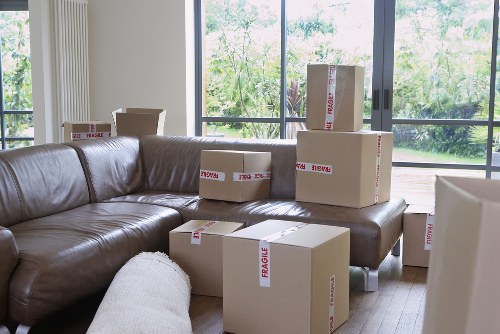
Customers often compare broader house removal options with a smaller man and van arrangement when they want a more adaptable solution. A van-based move can be a good choice for compact homes, partial relocations or journeys that involve only a modest load. House removals may suit bigger or fuller moves, while a lighter setup can be enough when the contents are limited and the access is manageable.
Our service also aligns well with jobs that do not fit neatly into a traditional removals category. For instance, a mixed move may include several household items, one or two larger pieces and a series of packed boxes, all of which need to travel together. That is where a practical van approach works well: it keeps the move adaptable without losing structure. If you are weighing up whether to book a larger service or a smaller one, the main question is how much needs to move and how awkward the pieces are.
You may also want to compare the service with other transport choices when the load is unusual. A simple enquiry can make the difference between overbooking capacity and selecting a vehicle that is better suited to the job. If you want help deciding, share the item list, the collection point and the delivery address in basic terms and ask for a quotation.
Pricing factors and quotation details
Pricing for a man with van job usually depends on several practical factors rather than a single fixed rule. The volume of items, travel distance, loading difficulty, access conditions and the amount of handling involved all affect the shape of the job. If the move includes heavy furniture, multiple stops or difficult parking, those details matter because they change the time and effort required. Pricing and quotes can be discussed once the basic job information is clear.
There is no need to overstate the size of the task when asking for a quote; a factual description is better. State what is being moved, whether anything is especially fragile or bulky, and whether the vehicle can park nearby. If dismantling, lifting or carrying across several floors is involved, mention that too. This helps produce a more realistic estimate and avoids confusion later. Accurate item detail is often the most useful part of the enquiry.
If you have not yet finalised your moving date, you can still ask for a quotation based on the information you have. Just make it clear which details are confirmed and which are still being arranged. That way the estimate can be useful without assuming anything that has not been agreed. When you are ready, the next step is simple: send the item list and request your quote.
Contact the team for a move in Creekmouth
Whether you need one sofa moved, a small flat emptied or a few office items transported, a man with van service gives you a practical way to keep the job contained and manageable. It is a good fit when you want direct transport, measured handling and a service that adapts to the load rather than forcing the load into an oversized solution. For customers in Creekmouth, that usually means clearer planning and fewer unnecessary steps.
If you are still deciding how much help you need, think first about the items themselves and then about the access. That simple order makes it easier to decide whether the job is a furniture pick-up, a home move, a commercial transfer or a mixed collection. You can also ask about packing support, loading help or a more structured removals arrangement if the contents call for it. The key is to describe the job plainly and let the plan follow the load.
For a quotation, send the details you already know and ask for the best option available. If you want to move forward, contact us and request a quote today.