Flat access issues in Creekmouth: stair, lift and timings
Posted on 03/06/2026
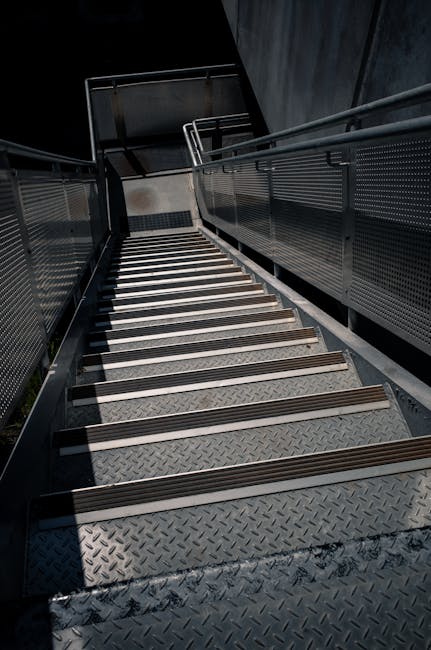
If you are moving in or out of a flat in Creekmouth, the hardest part is often not the packing. It is the access. Narrow stairwells, small lifts, awkward landing turns, time slots for loading, and the simple question of "will this sofa actually fit?" can change the whole day. Flat access issues in Creekmouth: stair, lift and timings are one of those moving problems that sound minor until you are standing at the bottom of three flights with a wardrobe, a clock ticking, and nowhere to park. That is exactly why planning access properly matters.
In this guide, we will break down what access problems usually look like, how to work around them, how to avoid delays, and how to keep the move calm enough to feel manageable. You will also find a practical checklist, a comparison table, and a realistic example from a Creekmouth-style flat move. No fluff. Just the bits that help on the day.
Why Flat access issues in Creekmouth: stair, lift and timings Matters
Access is not a side issue. It affects time, safety, cost, stress, and whether the move stays on schedule. In a flat move, every extra stair adds effort. Every lift has a limit. Every narrow hallway creates a bottleneck. And every building timing rule, from lift bookings to loading windows, can either keep things moving or leave everyone waiting awkwardly in the corridor.
Creekmouth has the same moving realities you see across many London areas: mixed housing stock, blocks with older layouts, modern flats with shared lifts, and roads where parking can be tight at busy times. That means the plan has to be tailored. A move that looks straightforward on paper can become a slow procession of trips if nobody has checked access properly. Truth be told, that is when frustration starts creeping in.
Good access planning also protects your belongings. Carrying a bed base down a tight stairwell or forcing a fridge around a landing corner is where chips, dents, strained backs, and split packaging happen. If you want a calmer move, access is where the calm begins.
Expert summary: The best flat moves are rarely the fastest-looking ones. They are the ones where stair routes, lift use, and timing windows were checked before the first box was lifted.
How Flat access issues in Creekmouth: stair, lift and timings Works
Think of access planning as three connected layers: the route, the equipment, and the schedule. If one layer is weak, the whole move slows down.
1. Stair access
Stairs matter because they set the physical limit of the move. A short run of steps is one thing; three narrow flights with turning landings is another. The shape of the staircase affects what can be carried by hand, what needs to be dismantled, and whether a larger item should go via another route entirely.
2. Lift access
Lift access sounds simple, but in practice it needs checking. Is the lift reserved? Is it big enough for mattresses, wardrobes, or white goods? Does it have a mirror panel that can be scratched? Are there rules about padding the walls, supervising use, or keeping the lift free for neighbours? If the answer to any of those is "I'm not sure," that needs sorting early.
3. Timing access
Timing is where most moves slip. Buildings may have preferred move-in windows, time-limited lift bookings, or quiet-hour expectations. Even if there is no formal restriction, timing still matters because parking, school run traffic, commuter flow, and lunch-hour building activity can slow the day down. One missed slot can mean half an hour lost, then another, and suddenly the schedule feels sticky.
When these three pieces are aligned, the move becomes far more predictable. That is the goal. Not perfection. Predictability.
If you are still in the planning phase, it can help to read a broader guide like how to streamline a house move without the usual chaos or practical packing strategies that reduce moving-day friction.
Key Benefits and Practical Advantages
Getting access right does more than make things easier. It changes the whole rhythm of the move.
- Less waiting around: When the lift is booked, the route is clear, and arrival times are realistic, the team keeps moving instead of standing still.
- Lower risk of damage: Measured routes mean fewer accidental knocks against walls, banisters, and door frames.
- Better handling of large items: Sofas, beds, fridges, wardrobes, and desks are easier to manage when the access path is known in advance.
- Safer lifting: Stairs and corners increase strain. Planning reduces the temptation to take risky shortcuts.
- More accurate timings: Once access is understood, you can build a realistic move window rather than hoping for the best.
- Less neighbour disruption: Good timing and controlled lift use keep noise, congestion, and frustration down in shared buildings.
There is also a quieter benefit: confidence. People settle when they know the plan. You can hear it in the room, honestly. Less rushed conversation, fewer "we'll just see" comments, fewer panicked checks of the clock.
Who This Is For and When It Makes Sense
This topic matters to anyone moving into or out of a flat, but especially if one or more of the following sounds familiar:
- you live above ground floor and need to use stairs regularly;
- your building has a lift, but it is small or shared;
- you have bulky furniture such as sofas, beds, wardrobes, or appliances;
- you are moving on a tight schedule, perhaps the same day as handover;
- you need to coordinate with building managers, neighbours, or concierge staff;
- you are helping a student, tenant, or family member move in or out of a flat;
- you have concerns about lifting safety or access for vulnerable items.
It also makes sense for landlords, letting agents, and anyone arranging a move for someone else. In our experience, the people who ask about access early are usually the ones who have the least trouble later. Funny how that works.
If your move includes bulky furniture, it may help to review furniture removal options in Creekmouth or read up on how to protect sofas when they need to be moved or stored.
Step-by-Step Guidance
Here is a sensible way to handle flat access issues without overcomplicating the day.
- Check the building layout first. Count the stairs, note turning points, and confirm whether the lift is usable for furniture. A quick walk-through helps more than a vague memory.
- Measure the big items. Door widths, sofa lengths, mattress sizes, fridge height, and stairwell clearance all matter. If you only measure the furniture and not the route, that is where surprises appear.
- Ask about lift bookings and restrictions. Some flats allow free use; others need a time slot. Ask whether the lift can be padded or if a service lift is available.
- Check parking and unloading distance. A lift is less helpful if everything has to be carried from a street away. Parking access can change your loading plan significantly.
- Decide which items travel first. Usually the easiest route is to move fragile or bulky items in a controlled order, not all at once. Small boxes can fill gaps later.
- Build in a timing buffer. Aim for a move window, not a single exact minute. Buildings, traffic, and lifts all have their own opinions.
- Protect the route. Use floor covers, corner protection, or blankets where needed. Even a little protection saves a lot of awkward apologies.
- Keep the communication simple. One person should be responsible for updates, key handovers, and timing decisions. Too many voices can slow the job down.
A useful habit is to ask one question before move day: "What would stop us from getting this item out safely?" That question tends to expose the weak spots very quickly.
Expert Tips for Better Results
These are the small, practical details that often make a flat move feel much smoother.
Use the lift strategically, not automatically
Not every item belongs in the lift. A lift can be ideal for boxes and mid-sized items, but very long pieces may be safer on the stairs if the lift opening is tight or the corners are awkward. The trick is not to assume. Check item by item.
Move larger items at quieter times if possible
If you have flexibility, avoid the busiest building periods. Early morning can work well. So can mid-afternoon in some buildings. The point is simple: less foot traffic usually means fewer interruptions, fewer "just a second" moments, and less stress for everyone.
Pre-pack with access in mind
Boxes that are too heavy become a problem very quickly on stairs. Keep weight sensible, label clearly, and make sure the boxes most likely to be needed first are easy to reach. For better packing structure, strategic packing methods can make a big difference.
Separate fragile, bulky and awkward items early
That old rule about "we'll deal with it on the day" often creates chaos. Fragile table lamps, awkward mirrors, and heavy kitchen appliances all need different handling. A bit of separation now saves a lot of rethinking later.
Keep a small tool kit handy
A screwdriver, tape, gloves, a torch, measuring tape, marker pen, and a couple of blankets can solve more problems than you might expect. Nothing fancy. Just useful.
Leave time for one last walk-through
Before leaving the flat, check cupboards, balcony spaces, under beds, and behind doors. It is amazing how often one final item hides in plain sight. Happens to everyone, to be fair.
If you are dealing with tricky lifting as well as stairs, this companion guide on safer heavy lifting techniques is a good read.
Common Mistakes to Avoid
Most access problems are not caused by bad luck. They come from missing one obvious detail.
- Assuming the lift will fit everything: Some lifts are far smaller than people expect. If you have not measured it, you do not know it.
- Ignoring building rules: Quiet hours, protective coverings, or lift booking windows may not sound important until they block your move.
- Overloading boxes: Heavy boxes on stairs are slow, awkward, and risky. A lighter box is usually a smarter box.
- Leaving bulky items assembled: A wardrobe that needs to turn on a landing is a very different problem from a wardrobe that has been broken down into parts.
- Forgetting parking: If the van cannot get close enough, everything else takes longer. Simple as that.
- Not warning neighbours or residents: Shared buildings run more smoothly when people know roughly what time the move will happen.
- Scheduling too tightly: A move planned minute-by-minute is usually the first one to unravel.
A slightly annoying but honest truth: most "unexpected" access issues are actually expected if you look closely enough beforehand.
Tools, Resources and Recommendations
You do not need a truck full of specialist kit. But a few tools and resources make access planning much easier.
- Measuring tape: Useful for doorways, furniture dimensions, and stairwell clearance.
- Phone camera: Take pictures of the lift, stairs, parking bay, and tight corners. A photo is often more useful than a memory.
- Floor and corner protection: Blankets, cardboard, and protective covers help reduce scuffs in shared areas.
- Labels and marker pens: These speed up loading order and help the move stay organised.
- Simple move plan: A written list of items, timings, and access notes is enough. It does not need to be fancy.
- Building contact details: If a lift booking or access code is required, keep it where you can find it quickly.
For related planning, you might also find value in decluttering before the move, packing and boxes support, and flat removals in Creekmouth.
If you are moving a bed or mattress, that deserves special attention because the shape, size and flexibility of the item can quickly expose a narrow stairwell. A practical overview like the bed and mattress relocation guide can help you think through that side of the job.
Law, Compliance, Standards, or Best Practice
For flat access moves, the most relevant compliance concerns usually relate to health and safety, building management rules, and sensible manual handling. There is no need to overstate the legal side, but there is a clear duty to avoid unsafe lifting and to respect shared spaces.
In UK moving practice, good manual handling means assessing the load, the route, the grip, and whether more than one person is needed. That is especially important on stairs or when items are bulky, slippery, or awkwardly balanced. If a job looks unsafe, it should be adjusted rather than forced. That is common sense, but it still needs saying.
Best practice in shared buildings also includes:
- checking whether lift use needs booking or supervision;
- protecting communal areas from damage where possible;
- avoiding peak congestion when you can;
- keeping emergency access clear;
- communicating clearly with the building contact or residents where appropriate.
It is also sensible to review a company's own approach to health and safety and insurance and safety before booking. Small print is not exciting, I know, but it matters when a move includes shared stairwells and lift use.
Options, Methods, or Comparison Table
Different access setups call for different move methods. Here is a simple comparison to help you think clearly.
| Access setup | Best approach | Main benefit | Main risk |
|---|---|---|---|
| Ground floor with easy parking | Direct carry with simple route planning | Fastest and least complicated | Still easy to underestimate box weight |
| Flat with stairs only | Break down furniture, use lighter loads, allow more time | No lift dependency | Higher physical effort and slower movement |
| Flat with small lift | Check dimensions, book the lift, protect surfaces | Reduces stair carrying | Delays if the lift is busy or too small |
| Flat with stairs and lift | Use both routes selectively, based on item size | Most flexible option | Can become confusing without a clear plan |
| Time-restricted building | Work to a strict schedule and arrive ready | Better control if managed well | Little room for delay |
In practice, the "best" option is the one that reduces uncertainty. That is usually the real win.
Case Study or Real-World Example
A typical Creekmouth flat move might look like this: a two-bedroom apartment on the third floor, a shared lift that is technically available but not huge, and a moving window in the morning. The resident has a sofa, a bed frame, a mattress, a freezer, and the usual pile of boxes that multiplies overnight somehow.
At first glance, it seems manageable. Then the measurements come in. The sofa will not turn cleanly on the top landing. The freezer fits in the lift, but only if the shelves are removed and the path is clear. The lift booking window is shorter than expected. A neighbour also needs access at the same time. Classic.
The solution is not dramatic. The team breaks the bed frame down first, moves the lighter boxes while the lift is free, uses the stairs for smaller items, and schedules the sofa for a slower, clearer slot. The freezer is wrapped and moved separately with extra care. The entire move takes longer than a ground-floor job, naturally, but it stays controlled. No frantic restarts, no last-minute argument with a lift button, no scratched wall near the corner.
That is what good access planning does. It turns a messy day into a workable one.
If you are dealing with storage or an item that does not need immediate delivery, this can also tie into local storage options in Creekmouth and, for larger household moves, house removals support.
Practical Checklist
Use this checklist before moving day. It is simple, but it catches the obvious problems before they become expensive ones.
- Measure the stairs, lift, doors, and any awkward corners.
- Confirm whether lift use needs booking or supervision.
- Check parking distance from the entrance.
- List all bulky, heavy, fragile, or awkward items.
- Decide which furniture should be dismantled in advance.
- Pack heavy items into smaller boxes.
- Protect floors, walls, and lift interiors where needed.
- Set a realistic arrival and loading window.
- Tell residents, landlords, or building contacts if needed.
- Keep keys, codes, and contact numbers in one place.
- Have a backup plan for items that do not fit the lift.
- Leave time for a final room check before departure.
Practical takeaway: if you can answer "how will each large item leave the flat?" before moving day, you are already ahead of the game.
Get a free quote today and see how much you can save.
Conclusion
Flat access issues in Creekmouth: stair, lift and timings are not just a logistical footnote. They shape the whole move. The route matters. The lift matters. The timings matter. When those three things are checked early, the move feels far less stressful and far more under control.
The smartest approach is usually the calmest one: measure properly, ask the awkward questions before move day, and leave room for the small delays that always seem to appear. Nothing glamorous about that, but it works. And on moving day, working is what counts.
Whether you are moving a single flat, helping a student, or shifting a full home's worth of furniture, good access planning gives you breathing space. That alone can make the day feel lighter.
And honestly, a smooth move has a nice feel to it. Less noise. Less rushing. More relief.


